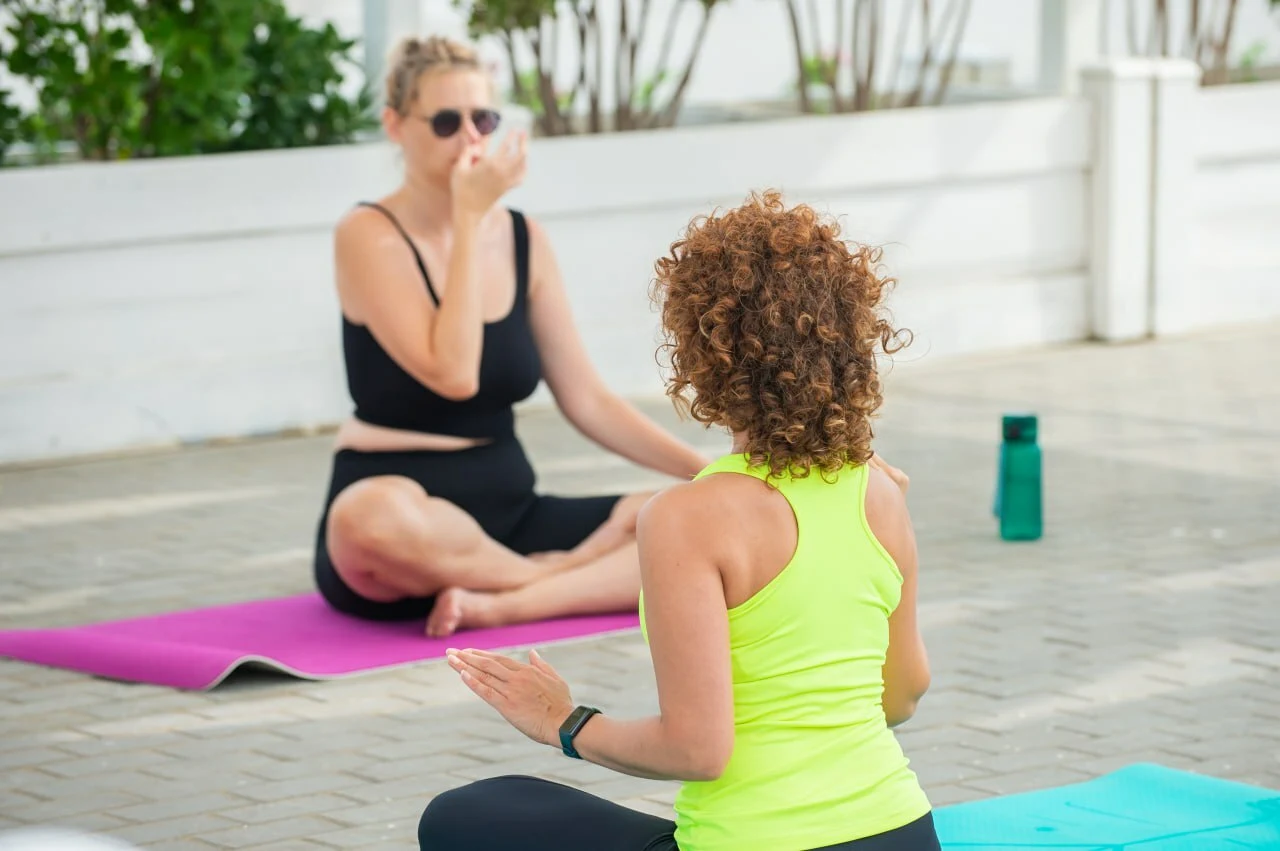
Pranayama, an Eastern breathing discipline passed down through the centuries, is becoming increasingly popular for its many benefits to health and wellbeing. It is the art of regulating the breath, using a variety of techniques to bring physical, emotional and mental balance.
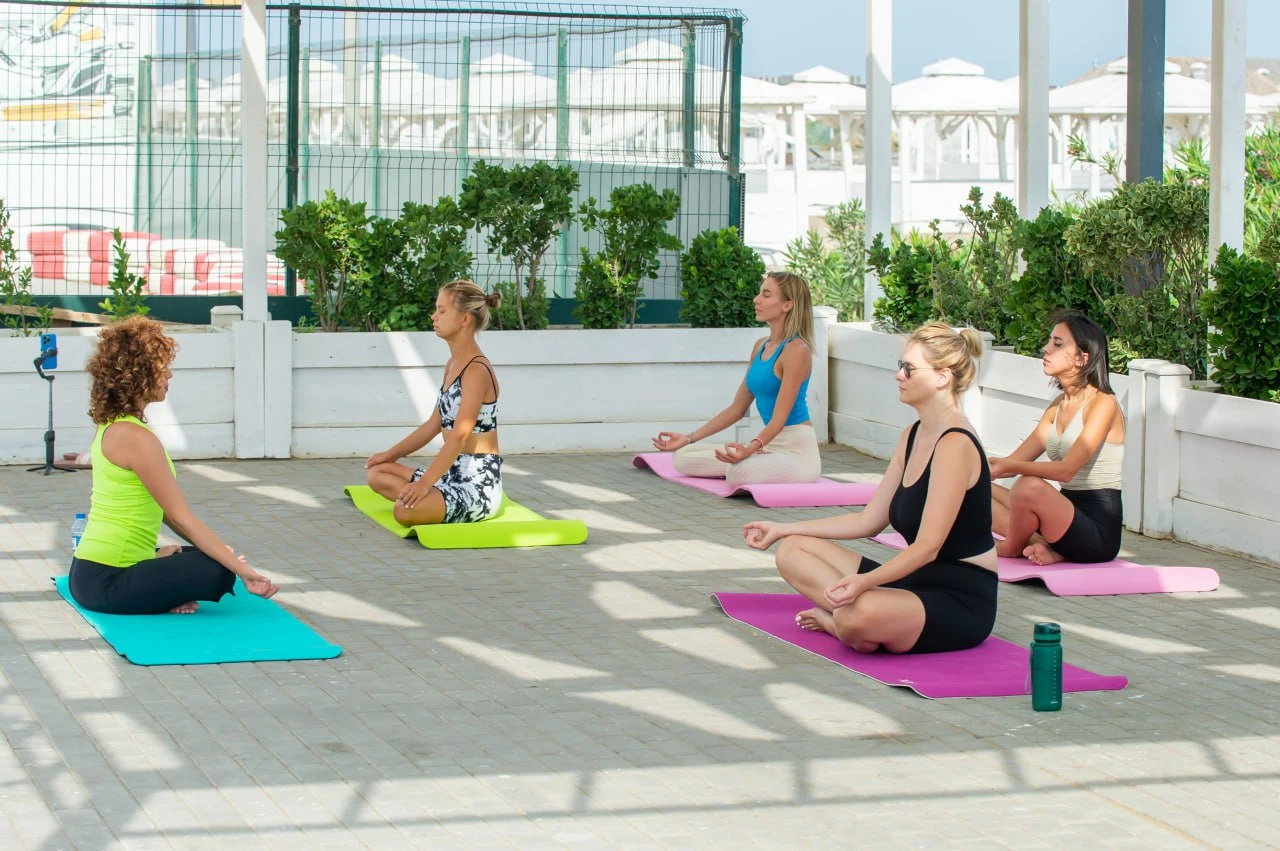
What is pranayama?
The word “pranayama” comes from the Sanskrit words “prana” (life energy) and “ayama” (control or expansion). In simple terms, it means regulating or expanding vital energy through the breath. According to yoga teachings, conscious, balanced breathing supports the body's energy, improves health and helps the mind become calm and focused.
In a world where stress and a hectic pace can affect our physical and mental health, pranayama offers accessible, effective ways to restore balance and harmony.
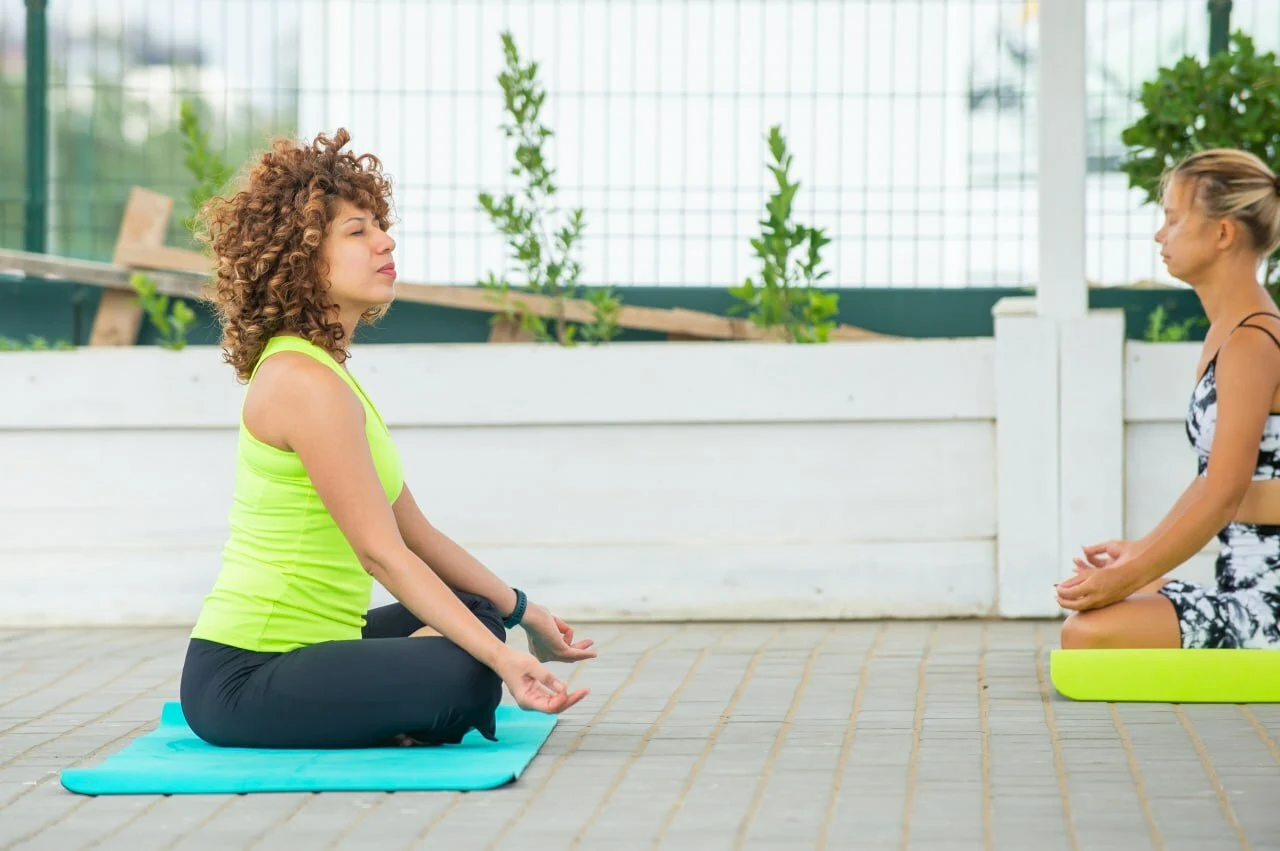
Benefits of pranayama
- Improved respiratory function: pranayama strengthens the breathing muscles and increases lung capacity, improving oxygen exchange in the body. This can be particularly helpful for people with respiratory conditions such as asthma.
- Reduced stress: regular pranayama practice helps ease stress and anxiety, balance the nervous system and improve overall emotional wellbeing.
- Better focus and mental clarity: pranayama helps you concentrate and think more clearly, encouraging mental focus and flexibility.
- Support for heart health: some forms of pranayama, such as Ujjayi, help improve circulation and lower blood pressure, supporting cardiovascular health.
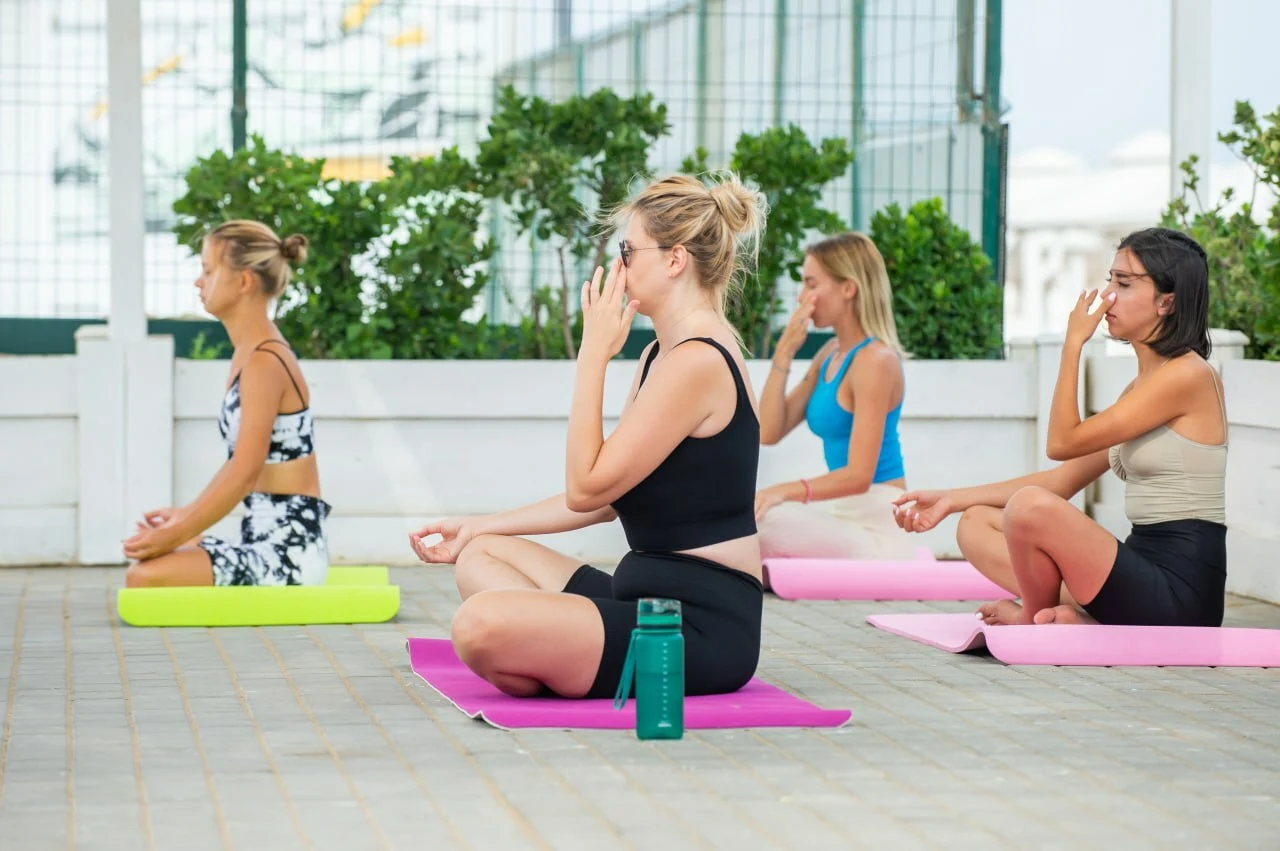
Pranayama techniques
There are many pranayama techniques, each with its own characteristics and benefits. Here are a few of the main ones:
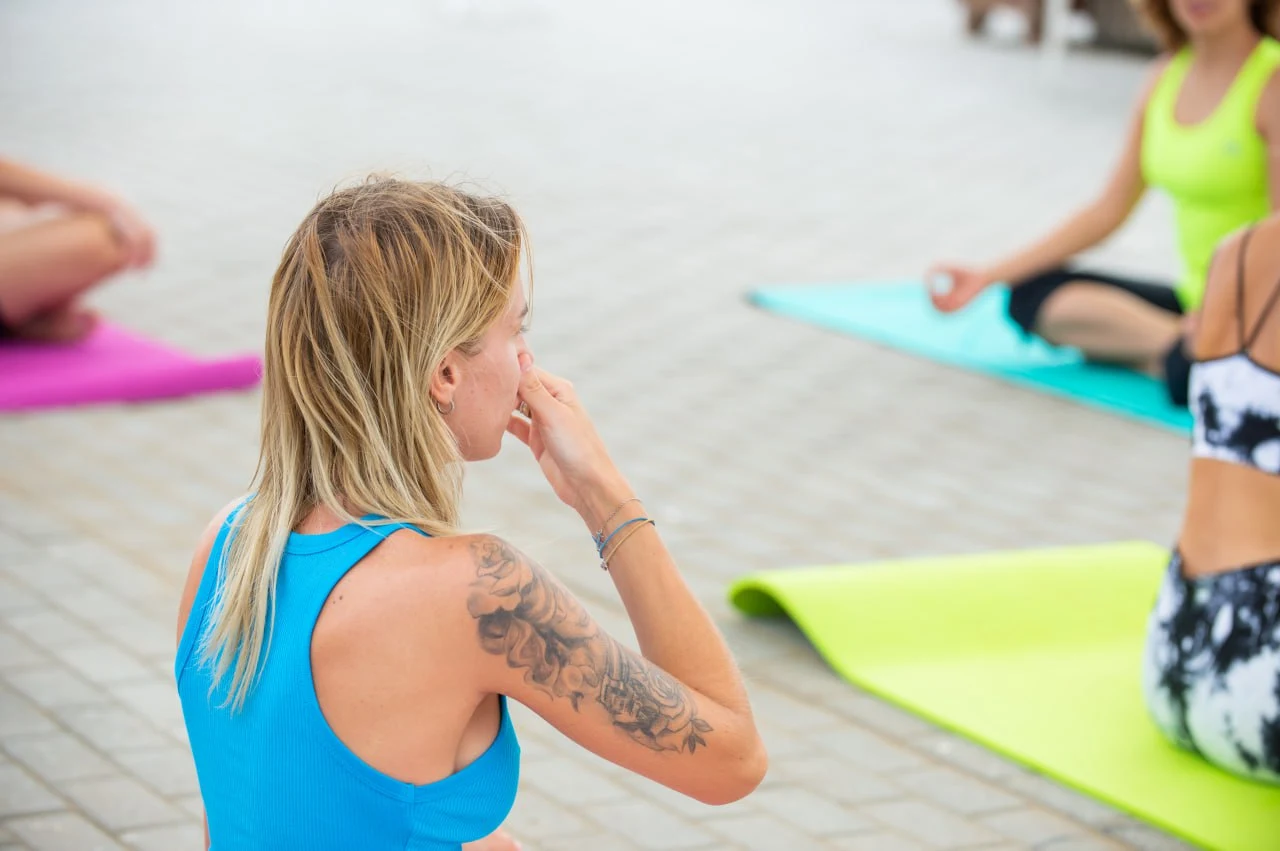
Ujjayi
This technique involves deep, smooth, even breathing through the nose, producing a characteristic sound that resembles the sea. Ujjayi helps calm the mind and improve focus during meditation.
Bhastrika
Bhastrika is an energetic technique involving quick, forceful inhalations and exhalations through the nose, intended to clear the airways and improve circulation.
Kapalabhati
Kapalabhati uses forceful exhalations through the nose with active contractions of the abdominal muscles. It is intended to cleanse the abdominal organs and improve overall tone.
Anuloma-Viloma
This technique alternates breathing through the right and left nostrils, helping balance the body's energy and support the nervous system.
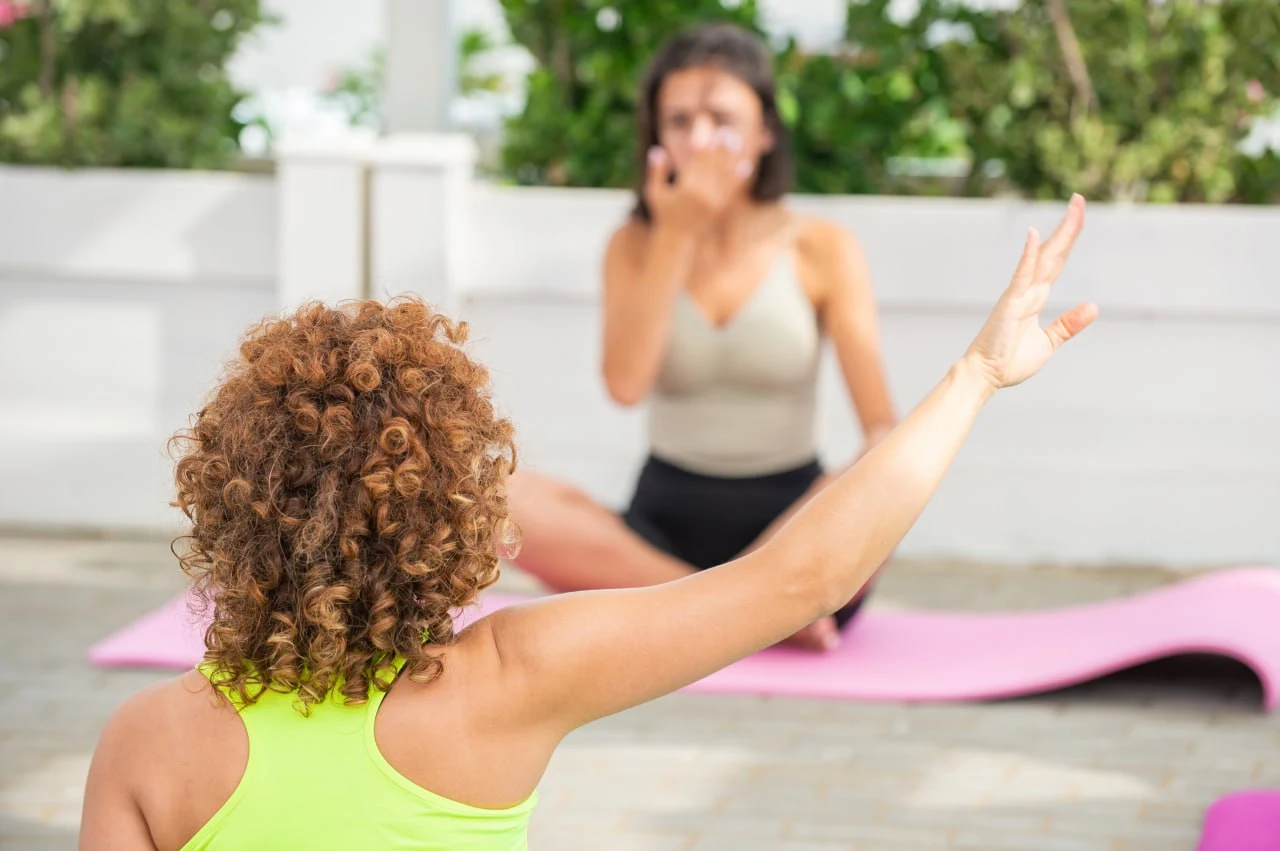
Remember that pranayama requires regular practice and patience. Start with a few minutes a day and gradually increase the time. If you have a medical condition or health concern, consult a doctor before beginning pranayama.
Pranayama is a powerful tool for supporting health and developing the mind. Regular practice can help you find harmony and balance within yourself and in your surroundings. Discover pranayama and take your first step towards better health and wellbeing today.
Pranayama is a powerful tool for supporting health and developing the mind. Regular practice can help you find harmony and balance within yourself and in your surroundings. Discover pranayama and take your first step towards better health and wellbeing today.