
Meditation is a path to harmony and personal growth that helps you find inner peace, manage stress and improve your quality of life. It is based on awareness, attention to the breath and acceptance. Its benefits for personal growth include reduced stress, better mental health, stronger concentration and creativity, and improved relationships. Meditation is accessible to everyone and can bring meaningful benefits.
Here are some tips to help you meditate effectively and develop your practice:
Create a peaceful setting
Find a quiet, comfortable place where you will not be disturbed. Soft lighting, a pleasant scent or comfortable cushions can help create a welcoming space.
Find a comfortable posture
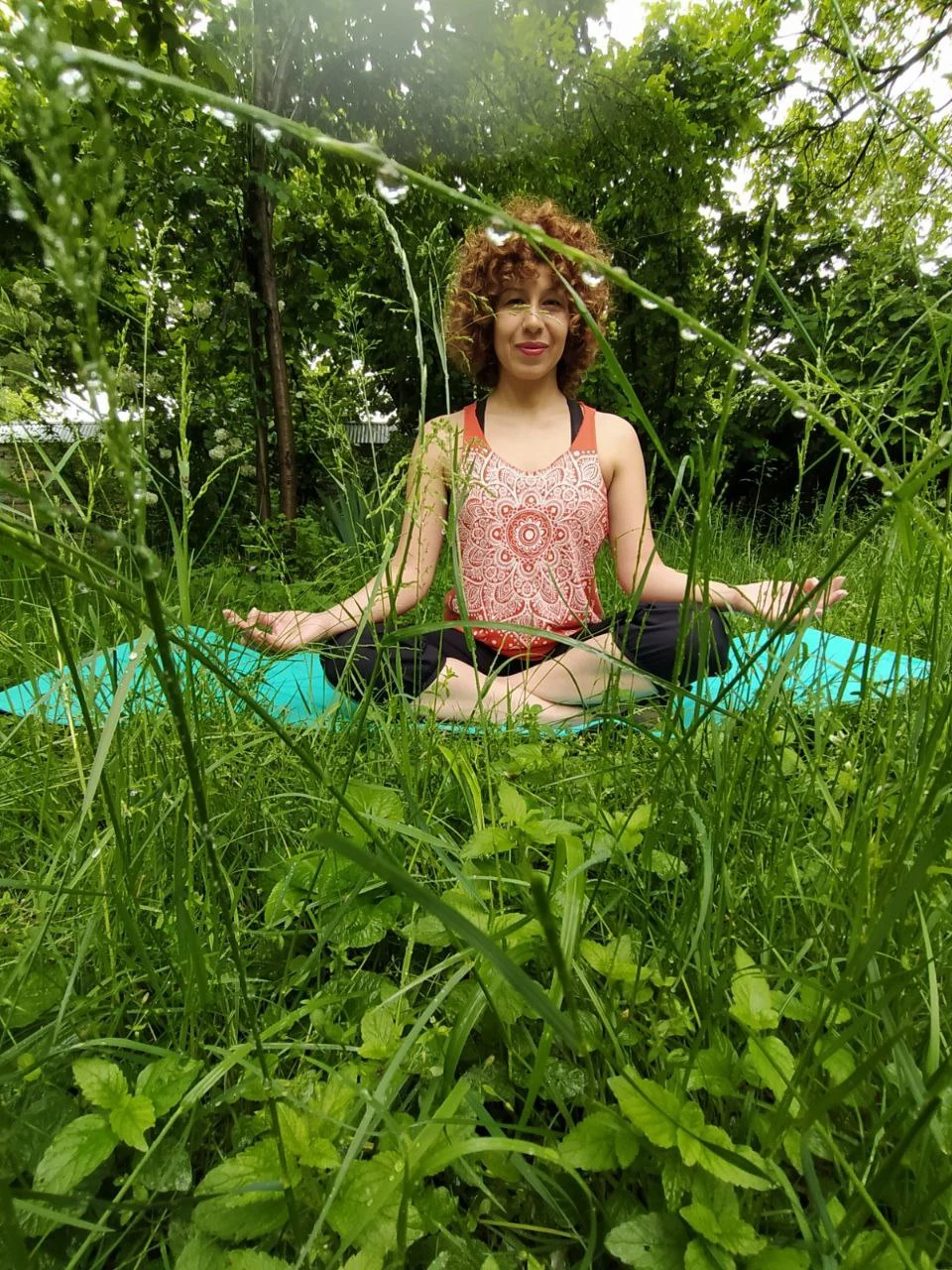
Sit on a chair or on a cushion on the floor. Choose a stable, comfortable posture that allows you to remain still for a while.
Focus on your breath
Bring your attention to your breath. Notice the air moving in and out through your nostrils or the movement of your abdomen. Simply observe your breathing without judging it or trying to control it.
Accept thoughts and let them go
Different thoughts and feelings may arise during meditation. Notice them without becoming attached to them. Let them pass and gently return your attention to your breath.
Be patient
At first, it may be difficult to concentrate and quiet your mind. With practice, however, you will notice that meditation becomes easier. Be patient and give yourself time to learn and grow.
Build up gradually
Start with short sessions, such as 5–10 minutes a day, and gradually extend them. Depending on your preferences and circumstances, meditation can last from ten minutes to several hours.
Use a guide or an app
If you find it difficult to meditate on your own, try a guide or a meditation app with spoken guidance and instructions. Many guides and apps offer sessions of different lengths and on a range of themes.
Practise regularly
Consistency is essential in meditation. Try to make time every day, or at least several times a week. The more regularly you practise, the more benefit and progress you are likely to experience.
Explore different techniques
Meditation includes techniques such as mindfulness, visualisation, working with metaphors and repeating a mantra. Experiment with different approaches and choose those that best suit your needs and preferences.
Ask for help when you need it
If you have questions or difficulties during meditation, do not hesitate to ask experienced practitioners or instructors for help. Their knowledge and advice can help you overcome obstacles as your practice develops.
Meditation takes consistency, patience and an open mind. Start with small steps, find a suitable time and place, and gradually develop your practice. Everyone is different, so discover the methods that work best for you. Meditation can become a powerful tool for inner peace, awareness and personal growth.